Things to Do in Harare in March
March weather, activities, events & insider tips
Low Season · Budget Friendly
March Weather in Harare
Long-run averages for March
79°F (26°C)
High Temp
58°F (14°C)
Low Temp
3.9 inches (99 mm)
Rainfall
67%
Humidity
14
Sunny-Day UV
⚠ Afternoon thunderstorms bring intense lightning to a city surrounded by exposed granite hills and domes. Domboshawa, the Kopje, and Ngomakurira become dangerous during electrical storms. Descend from any elevated or exposed position immediately if you see cumulonimbus clouds building, which typically begins around noon.
⚠ Mosquito-borne disease risk is elevated during the wet season tail. Consult a travel health professional about antimalarial prophylaxis before departure, even though Harare's altitude reduces transmission compared to lowland Zimbabwe. Standing water in parks, gardens, and drainage channels keeps mosquito populations active through March.
Is March Right for You?
Weigh the advantages and considerations before booking
Advantages
- + March rainfall falls to 99 mm (3.9 inches), almost half of February's 175 mm (6.9 inches). You get the lush green highveld landscape and dramatic storm-lit skies. You skip the relentless daily soakings of peak wet season. The msasa trees that define Harare's woodland suburbs are still finishing their famous spring-like color change. New leaves flush copper and wine-red before settling into green. This transformation is unique to Zimbabwe's highland plateau.
- + Tourist numbers hit their annual low. Zimbabwe's safari circuit peaks July through October. March accommodation rates tend to be noticeably cheaper. City tours run with small groups. Cultural sites like the National Gallery of Zimbabwe and Great Zimbabwe monument feel unhurried. You will not compete for attention or access. Book now.
- + Fresh harvest season floods the markets. Produce hits its peak. March is when the maize crop comes in. Roadside vendors across Harare sell freshly roasted mealies charred over open coals. The smoky-sweet smell carries half a block. Mbare Musika market overflows with ripe mangoes, oversized avocados, and bundles of muriwo greens pulled from the ground that morning.
- + Harare sits at roughly 1,483 m (4,865 ft) above sea level. This keeps March highs at a comfortable 26 degrees C (79 degrees F). Lower elevations elsewhere in southern Africa hit punishing mid-thirties. The altitude earns you cool, sleep-friendly nights around 14 degrees C (58 degrees F). Photographers chase this quality of light.
Considerations
- − Afternoon thunderstorms still roll through regularly. They build fast. The sky goes from blue to charcoal in twenty minutes. Heavy rain falls for thirty to forty-five minutes with serious lightning. Any plans on exposed terrain need to be morning-only. This includes the granite domes at Domboshawa or the Kopje. Set a hard noon deadline.
- − Unpaved roads and hiking trails carry accumulated damage. Two months of heavier rain have taken their toll. Tracks inside Lake Chivero game park can be rutted and muddy. The lower sections of Mukuvisi Woodlands suffer too. Some routes become impassable for standard vehicles after a heavy overnight storm. Check conditions first.
- − Standing water from the wet season keeps mosquito populations elevated. This affects Harare's green belt and peri-urban reserves. The city's altitude reduces malaria risk compared to lowland Zimbabwe. Bites remain frequent around dusk and dawn. A travel health consultation before departure is the baseline precaution. Do not skip this.
Best Activities in March
Top things to do during your visit
Harare in March sits at the tail end of the rainy season. The city's jacaranda-lined avenues and msasa woodlands are at their most saturated green. Afternoon temperatures hover around 26°C, warm enough to leave you reaching for a cold Zambezi Lager on a café terrace along Sam Nujoma Street. The heat is mild compared to the sweltering lowveld further south. Mornings break cool at around 14°C. The light at that hour, filtered through canopies still heavy with overnight rain, has a silvered, almost submarine quality. The granite kopjes ringing the city glow. Rainfall in March drops sharply from the drenching months of January and February. Expect roughly 99 millimetres across the month. It typically arrives in short, theatrical afternoon downpours that clear within an hour and leave the red earth steaming. The rains reshape daily rhythms in Harare. Locals run errands and visit markets in the morning. They retreat indoors or under shade during the midday heat. They emerge again once the afternoon storm has passed and the air smells of wet laterite and flowering frangipani. The city's parks, Harare Gardens, Mukuvisi Woodlands, and the National Botanic Garden on the northern edge of town, are thickly lush. Birding picks up noticeably as migratory species linger before their departure south. For visitors, this late-wet-season window means fewer tourists than the dry-season peak from May through October. That translates to easier bookings, less crowded attractions, and more candid encounters with Harare's residents. The restaurants along Enterprise Road and in the Avondale shopping district serve without the queues that build later in the year. The cooking classes, guided tours, and day trips that radiate from Harare operate at a relaxed pace. Whether you are spending a weekend exploring the capital itself or using Harare as a launch point for longer journeys into the Zimbabwean interior, March rewards the traveller who does not mind carrying a compact umbrella and who appreciates a landscape at its most alive.

Harare City Tour & Zimbabwe Highlights
guided_experienceThe Harare City Tour and Zimbabwe Highlights packs the capital's essential landmarks into a single guided day. You will see the Heroes' Acre monument with its soaring tower and terraced gardens on the southwestern outskirts. The tumbled stone walls and museum at Epworth Balancing Rocks come next, where massive dwalas sit stacked like a giant's building blocks against the skyline. A drive through the broad, tree-canopied avenues of the government quarter follows, where the smell of cut grass drifts from manicured embassy lawns. The tour threads together sites that, on your own, would require navigating Harare's sometimes confounding minibus network and suburban sprawl. The commentary fills in the political and cultural backstory that plaques alone cannot convey. You will learn about the liberation-era murals at the National Gallery and the everyday commerce of Mbare Musika, the city's largest open-air market, where the clatter of wooden crates and the tang of fresh kapenta fish hit you simultaneously.
A guided sweep of Harare's defining sites that stitches the city's liberation history, granite geology, and street-level energy into a single narrative arc.
Insider tip: Ask your guide to stop at the Chapungu Sculpture Park on the return leg. It sits along the route. Most guides will oblige if asked early. The Shona stone carvings displayed among indigenous woodland are far more atmospheric than anything in a gallery setting.
This month: March afternoon showers can cut visibility at the Balancing Rocks. Morning departures keep you at open-air sites before the daily storm cycle begins.

Great Zimbabwe Tour from Harare
guided_experienceThe Great Zimbabwe Tour from Harare is a full-day commitment. Roughly four hours of driving each way across the highveld. The destination justifies every kilometre. Great Zimbabwe, the largest stone structure in sub-Saharan Africa south of the Sahara, rises from the scrubby miombo woodland outside Masvingo like something conjured rather than built. Dry-stone walls fitted without mortar curve to heights of eleven metres. They enclose a hill complex and a great enclosure whose acoustics still carry a whisper from one side to the other. In March, the surrounding bush is green and thick. The conical tower inside the Great Enclosure stands framed by wet-season vegetation that softens the ruins' severity and draws out the warm ochre and grey tones of the granite. The smell of damp stone and wild sage follows you through the narrow passageways. You will hear the territorial calls of black eagles nesting on the cliff face above the Hill Complex.
The medieval capital that gave Zimbabwe its name. A site with no parallel on the continent, where 900 years of Shona engineering and trade history are legible in every coursed granite wall.
Insider tip: Bring sturdy closed-toe shoes with grip. The Hill Complex path is steep, uneven, and slippery after rain. In March the rocks can be treacherous by afternoon.
This month: The green highveld landscape in March makes the drive itself scenic. You will see golden-green grasslands and occasional thunderheads stacking in the distance. Confirm road conditions with your operator beforehand, as sections of the Masvingo highway can pool after heavy rain.

10 Day Zimbabwe and Chobe NP Tour
guided_experienceThe 10 Day Zimbabwe and Chobe National Park Tour uses Harare as a departure point for an arc through the country's headline landscapes. Hwange's teak woodland and its resident elephant herds come first. Then the spray-drenched lip of Victoria Falls, where the roar of the Zambezi dropping 108 metres into the gorge is audible a kilometre away. The granite domes and San rock art of Matobo Hills follow. Finally, a crossing into Botswana for the waterways of Chobe, where hippos surface and snort in the shallows at dusk. In March, the bush across these parks is at maximum density. Large-mammal sightings are harder to pick out against the foliage. The birdlife turns spectacular. Carmine bee-eaters, Lilian's lovebirds, and African skimmers are all active along the Chobe riverfront. The air in the lowveld is humid and heavy, thick with the scent of wild gardenia after rain. The thunderstorms that roll through most afternoons are themselves a spectacle. Violet-black clouds split with lightning over flat savanna.
A single itinerary that joins four of southern Africa's greatest wildlife and geological spectacles to Harare, eliminating the logistical puzzle of stitching them together independently.
Insider tip: Pack a dry bag for your camera and electronics. Chobe boat cruises in March kick up spray. The Vic Falls mist soaks everything within 200 metres of the gorge rim during the high-water months.
This month: March falls within the Zambezi's high-water season, so Victoria Falls is at near-peak flow. Dramatic to witness. But the spray can obscure the main cataract from some viewpoints. Chobe game drives may encounter muddy tracks that limit off-road access.

African Cuisine Cookery Class
otherThe African Cuisine Cookery Class drops you into a home kitchen in one of Harare's residential suburbs. The instructor walks you through the preparation of sadza, the stiff maize porridge that anchors almost every Zimbabwean meal. You will also make the relishes that accompany it: muriwo (collard greens sautéed with tomato and peanut butter), nyama (slow-braised beef with garlic and fresh chillies), and, if the season cooperates, madora. These are dried mopane worms rehydrated and fried until they crackle between your teeth with a nutty, faintly smoky flavour. You pound peanut butter from scratch using a wooden mortar. The rhythmic thud becomes background percussion to an afternoon of chopping, stirring, and tasting. The kitchen fills with the smell of roasting maize meal and the sharp sweetness of onions browning in sunflower oil. By the end you sit down to eat the meal you have made, cross-legged if you choose, in the traditional style.
A direct route into Zimbabwean food culture that no restaurant visit can replicate, taught by a cook whose family recipes stretch back generations.
Insider tip: Wear clothes you do not mind staining. Pounding peanuts and stirring muriwo are messy work. The turmeric-yellow groundnut oil does not wash out easily.

Harare Private Hotel and Airport Transfer
transportThe Harare Private Hotel and Airport Transfer solves the single most stressful moment of arriving in a new African capital. Getting from Robert Gabriel Mugabe International Airport to your accommodation without navigating the scrum of informal taxi touts outside the arrivals hall. The driver meets you with a sign after customs. He loads luggage into an air-conditioned vehicle and delivers you to your hotel door. It is a 20-to-30-minute ride along the airport road that passes through the light-industrial belt east of town before the jacaranda canopy of the suburbs closes overhead. For March arrivals landing in the evening, when afternoon rains can leave intersections waterlogged and unfamiliar, having a pre-arranged pickup eliminates guesswork entirely.
A locked-in, door-to-door airport connection that removes the friction of currency exchange, fare negotiation, and route-finding on arrival.
Insider tip: Confirm your booking the day before departure. Flight times into Harare shift frequently. A mismatched pickup time can mean waiting at the airport without reliable Wi-Fi to rebook.

Harare Exclusive Chauffeur Services
private_tourHarare Exclusive Chauffeur Services puts a private car and driver at your disposal for a full day. The city's spread-out geography, the gallery district around the Avenues, the craft markets of Domboshava Road, and the Mukuvisi Woodlands reserve on the southeastern fringe, becomes a coherent, unhurried itinerary shaped entirely by your interests. The driver doubles as an informal guide, pointing out landmarks and neighbourhood history as you glide through the broad, tree-lined streets. You will see the pressed-tin rooflines of Kopje and the brutalist geometry of the Eastgate Centre, whose termite-mound-inspired ventilation system keeps the building cool without conventional air conditioning. The smoky aroma drifting from roadside braai stands in Mbare is hard to miss. In March, when an afternoon cloudburst can strand a walking visitor far from shelter, the car becomes practical insurance as well as a comfort.
The freedom of a self-directed day in Harare without the stress of driving on unfamiliar roads, navigating roundabouts, or finding secure parking.
Insider tip: Ask the driver to route through the Borrowdale Brook neighbourhood on the way to Domboshava. The road passes open-air vegetable stalls where you can pick up fresh mangoes and avocados at a fraction of supermarket cost. The stop takes only five minutes.
This month: Afternoon downpours in March can slow traffic on the Borrowdale and Domboshava roads significantly. Front-loading outdoor stops in the morning keeps the day on schedule.
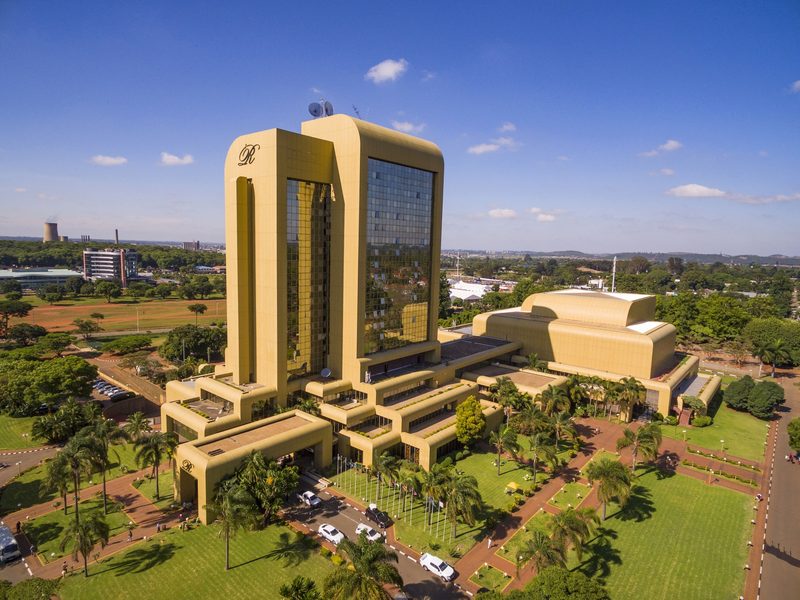
Where to Stay in Harare in March
Hand-picked hotels across price tiers for March travellers.
Public Holidays in March
Dates that affect opening hours, transport and crowds
Good Friday
Observed nationwide as a public holiday.
Easter Saturday
Known in English as Holy Saturday. Observed nationwide as a public holiday.
Easter Monday
Observed nationwide as a public holiday.
Packing Checklist
Bookmark this page — your progress is saved between visits
Need the full list with shopping links?
Climate-specific gear, brand recommendations, and what to leave at home.
View Harare Packing List →Essential Tips
Insider knowledge and common pitfalls to avoid
Insider Knowledge
March mornings in Harare are reliably the best part of every day. They are clear, cool, with that freshly rinsed quality the air takes on after overnight rain. Plan all outdoor activities before noon. Pivot to galleries, museums, or markets during the afternoon storm window. Most locals follow this rhythm unconsciously. This is why the streets are busy at six in the morning and quiet by two in the afternoon on a rain day. Fighting the rhythm instead of matching it is the single biggest planning mistake visitors make.
Zimbabwe's currency situation remains confusing for newcomers. March 2027 is no exception. The Zimbabwe Gold currency circulates alongside US dollars. Most tourist-facing businesses strongly prefer USD cash in small, clean denominations. Bring undamaged US bills. Nothing torn or heavily creased. Ideally nothing older than 2009 series. ATMs are unreliable for foreign cards. Arrive with enough USD cash for your first several days and convert in small amounts. The informal exchange rate on the street may look attractive. It carries real risk of shortchanging or counterfeit notes.
Harare's best food comes from the least impressive-looking places. The eating-out culture centers on braai spots and takeaway counters rather than formal restaurants. The lunch rush at a packed neighborhood joint, the kind with plastic chairs and a hand-painted menu board, consistently outperforms anything with a printed menu and table service. Sadza ne nyama, the thick white maize porridge served with grilled or stewed meat, is the defining Harare meal. In March when the fresh maize harvest comes in, the sadza has a sweetness and fragrance that the dried-maize version of the dry months simply cannot match. Follow the queues of office workers at lunchtime.
The commuter omnibus network is how Harare moves. It is chaotic and can feel unsafe for unfamiliar travelers. Private transfers, ride-hailing apps, or pre-arranged drivers through your accommodation are the practical choice for moving between attractions. If you do take an omnibus from the Fourth Street terminus or Copacabana, know your destination in Shona if possible. Keep your cash and phone inside a zipped inner pocket. Avoid peak commuter hours before eight in the morning and after five in the afternoon.
Avoid These Mistakes
Treating Harare as a one-night transit stop on the way to Victoria Falls or a safari camp and giving it a single afternoon. The city rewards three to four days of slower exploration: the Shona sculpture scene centered around the National Gallery, the food culture in Mbare and the townships, the granite hills and urban woodlands within a short drive. Travelers who arrive Tuesday evening and leave Wednesday morning miss everything that separates Harare from every other African capital on the backpacker circuit.
Packing only for warm weather on the assumption that Zimbabwe means tropical heat. Harare sits at nearly 1,500 m (4,920 ft), and March evenings regularly drop to 14 degrees C (58 degrees F) or lower. First-time visitors in shorts and flip-flops at seven in the evening are immediately identifiable and uncomfortable. The daily temperature swing from midday to midnight can span 12 degrees or more.
Expecting smooth digital infrastructure for bookings, payments, and communication. Internet connectivity is inconsistent, mobile data can drop without warning, payment gateways fail at the worst moments, and many of the best local guides and operators still confirm arrangements by phone call or WhatsApp rather than through automated booking systems. Download offline maps before you arrive, carry cash as a backup to every digital payment, and build time buffers into every reservation.
Ready to plan your trip to Harare?
Now that you've got the research covered, here's where to go next.
Explore More Activities in Harare
Didn't see anything interesting yet?
Browse Viator's full catalog of tours, day trips, food experiences, and private guides in Harare.
See All Harare Tours on Viator