Things to Do in Harare in December
December weather, activities, events & insider tips
Shoulder Season · Good Value
December Weather in Harare
Long-run averages for December
79°F (26°C)
High Temp
60°F (15°C)
Low Temp
7.2 inches (183 mm)
Rainfall
67%
Humidity
15
Sunny-Day UV
⚠ Afternoon thunderstorms frequently produce dangerous cloud-to-ground lightning across the highveld. Avoid open ground. Avoid exposed hilltops. Avoid bare granite kopjes once cumulus clouds begin building after midday.
⚠ Flash flooding develops rapidly in low-lying areas after heavy downpours. This happens along the Mukuvisi River corridor and parts of Mbare. Never drive through standing water. Road drainage is inconsistent. Depth is impossible to judge.
⚠ UV intensity at Harare's elevation of 1,483 m (4,865 ft) is markedly higher than at sea level. Intermittent cloud cover between storms creates a false sense of protection. This leads to unexpectedly fast sunburn.
Is December Right for You?
Weigh the advantages and considerations before booking
Advantages
- + The highveld plateau transforms completely in December. Msasa trees flush copper, red new growth that darkens to green over the course of weeks. Wildflowers carpet the granite kopjes. The last jacaranda blooms still cling to suburban avenues through early in the month. This is Harare at its most visually dramatic. It is a world away from the brown, crackling landscape of the dry months.
- + Mango and lychee season peaks right now. The sweet resinous scent of ripe fruit follows you through every market stall and roadside pyramid of produce from Mbare Musika to the suburban flea markets. Avocados, guavas, and papaya are everywhere. They are surprisingly affordable. December eating in Harare is seasonal eating at its best.
- + Altitude keeps the heat honest. At roughly 1,483 m (4,865 ft), Harare's December highs sit around 26°C (79°F). Lower Zimbabwean elevations like the Zambezi Valley hit far harder. Evenings drop to a comfortable 15°C (60°F). Open, air dinners become possible. Sleeping without air conditioning becomes standard.
- + The festive season fills the city with genuine local warmth. Schools break. Families gather for braais in suburban gardens. Harare's restaurants and bars fill with Zimbabweans in holiday mode. You will experience the city on its own terms. There is no tourist veneer here.
Considerations
- − Afternoon thunderstorms in December are not gentle. They arrive fast, often with dangerous cloud, to, ground lightning. They can dump enough water in an hour to flood low, lying roads near the Mukuvisi River and parts of Mbare. Expect interruptions. Plan accordingly.
- − Domestic travel demand surges over the festive period. It strains intercity buses, minibuses, and internal flights. If you are planning side trips toward Masvingo or the Eastern Highlands, book transport well ahead. You will compete for seats with a large portion of Harare heading home for the holidays.
- − The 183 mm (7.2 inches) of rainfall means mosquitoes are at their most persistent. Harare's altitude reduces malaria risk compared to the lowveld. It does not eliminate it. Antimalarial prophylaxis and consistent repellent use are not optional. Pack both.
Best Activities in December
Top things to do during your visit
December brings Harare its wet season in full force. Afternoon thunderstorms roll across the highveld plateau and drench the city in an average of 183 millimetres of rain. Mornings tend to start warm and clear. The air is thick with the scent of wet red earth and flowering jacaranda. Temperatures climb toward a high around 26 degrees Celsius before clouds mass along the southern horizon by early afternoon. The rain rarely lasts more than an hour or two. It arrives in dramatic downpours that drum against corrugated rooftops and send rivulets coursing along the gutters of Samora Machel Avenue. Then it gives way to that particular post-storm light, golden and diffuse, almost metallic, that makes the msasa trees glow an electric green. Evenings cool to around 15 degrees. That is comfortable enough for open-air dining in the Avondale and Borrowdale restaurant strips without the chill that marks the June and July dry season. Harare in the wet months feels different from the parched city of August and September. The brown lawns of Harare Gardens return to a dense, almost tropical green. The city's abundant birdlife, white-browed robin-chats and African paradise flycatchers, becomes noticeably louder in the mornings. For travellers, the rain dictates the rhythm of the day. Plan outdoor excursions, game drives, and walking tours for the first half of the day. Keep afternoons flexible for gallery visits, cooking classes, or simply sitting under a covered veranda with a cup of freshly roasted Chipinge coffee while the storm passes overhead. The air after a December storm in Harare carries the sweet, mineral smell of wet granite and warm vegetation. That is a sensory signature unlike anywhere else on the continent. Visitors wondering about safety should know that central Harare's main commercial and tourist areas, the Avondale shopping district, Sam Levy's Village in Borrowdale, and the stretch around Eastgate Centre, are well-trafficked and generally safe during daylight hours. Standard urban precautions apply after dark. Taxis or private transfers are the preferred way to move between neighbourhoods at night. December is not peak tourist season. Crowds at attractions are thin. Restaurant reservations are easy to come by. Accommodation rates at Harare hotels in Borrowdale, the northern suburbs, and the city centre tend to sit below their conference-season peaks.

Harare City Tour & Zimbabwe Highlights
guided_experienceThe Harare City Tour and Zimbabwe Highlights packs the capital's essential landmarks into a single guided day. It threads through the commercial downtown where the concrete facades of First Street give way to the leafy residential avenues of the northern suburbs. It passes the National Heroes Acre with its sweeping views of the highveld. It moves into the craft markets where the sharp tap of soapstone chisels echoes between stalls piled with Shona sculpture. In December, the route benefits from the season's lush vegetation. The kopjes ringing the city are carpeted in green rather than the tawny brown of the dry months. Guides adjust the itinerary around the afternoon rains, typically finishing outdoor stops by early afternoon. The tour grounds the rest of your time in Harare. It gives you a mental map of the city's geography, its colonial-era architecture alongside post-independence monuments, and its working-class neighbourhoods where the smell of sadza cooking on open braziers drifts across the road.
A single-day orientation that connects Harare's history, art, and daily life through a local guide who knows which back streets and viewpoints most visitors never find on their own.
Insider tip: Ask your guide to include a stop at Domboshawa, the granite hill site about thirty kilometres north of the city, where ancient San rock paintings sit beneath massive balancing boulders. It is often offered as an add-on and is far more rewarding than the standard itinerary's craft-market stop.
This month: December rains green the highveld landscape dramatically compared to the dry season, making the panoramic stops at National Heroes Acre and the kopjes photogenic in morning light.

Great Zimbabwe Tour from Harare
guided_experienceThe Great Zimbabwe Tour from Harare is a long day or overnight journey south to Masvingo province. The stone ruins of Great Zimbabwe rise from the savanna, walls built without mortar, some standing nine metres tall, enclosing a hilltop acropolis and a valley complex that once housed a trading empire. Walking through the Great Enclosure in the early morning, you feel the cool smoothness of granite blocks fitted so precisely that a knife blade will not slide between them. You hear the wind funnelling through the narrow passageways in a low, almost musical hum. December's rains mean the surrounding msasa woodland is dense and green. The seasonal stream that runs through the valley floor is flowing, adding a soundtrack of moving water that is absent for most of the year.
Great Zimbabwe is one of sub-Saharan Africa's most significant archaeological sites. Reaching it from Harare with a knowledgeable guide transforms a long drive into a narrated journey through the country's agrarian heartland.
Insider tip: If the tour offers an overnight option, take it. Arriving at the ruins at first light, before other visitors, lets you hear the echo of your own footsteps in the Great Enclosure and photograph the conical tower without anyone in the frame.
This month: The seasonal rains fill the stream running through the valley ruins and green the surrounding woodland, giving the site a lushness absent during the dry-season months of June through October.

10 Day Zimbabwe and Chobe NP Tour
guided_experienceThe ten-day Zimbabwe and Chobe National Park tour is the kind of itinerary that turns a Harare arrival into a full southern African circuit. It moves from the capital through the Eastern Highlands, where mist clings to the Vumba mountains and the air smells of pine and wet ferns. It continues south to Great Zimbabwe, west to the spray-soaked rim of Victoria Falls, and across the border into Botswana's Chobe, where elephant herds wade chest-deep in the Chobe River at sunset. In December, the bush across all these regions is at its greenest and most alive. Migratory birds are present. Newborn impala and other antelope appear in the grasslands. The falls are beginning to swell toward their February peak, throwing up a fine mist you can taste on your lips from a kilometre away. The trade-off is that unpaved roads in Hwange and Chobe can become muddy, and some remote tracks close. A well-run tour operator adjusts routes accordingly. The reduced visitor numbers mean you share game-viewing hides and sundowner spots with a fraction of the dry-season crowds.
This is the complete Zimbabwe experience in a single booking, linking the country's archaeological, natural, and wildlife highlights with Chobe's legendary elephant density in one continuous overland journey.
Insider tip: Pack a lightweight waterproof shell and keep it accessible at all times. December storms arrive fast, and on open game-drive vehicles there is no shelter. A rain poncho also protects camera gear better than fumbling with a dry bag mid-downpour.
This month: December marks the start of the green season across Zimbabwe and northern Botswana, with migratory bird species present, newborn wildlife in the grasslands, and Victoria Falls beginning its seasonal rise.

African Cuisine Cookery Class
otherThe African Cuisine Cookery Class drops you into a home kitchen in Harare. The instructor walks you through the staples of Zimbabwean cooking: the technique of stirring sadza to the right consistency so it pulls cleanly from the wooden spoon, the slow simmer of a peanut-butter-based dovi stew until the oil separates and floats in amber pools on the surface, and the charcoal-grilled preparation of matemba, tiny dried fish that crackle and pop when they hit the hot grate, filling the room with a smoky, savoury intensity. You eat what you cook, seated around a communal table where the conversation turns to food sourcing, seasonal ingredients, and why Harare's neighbourhood markets carry produce that never appears in supermarkets. December is prime growing season on the highveld. The cooking class benefits from the abundance: fresh maize, leafy muriwo greens, and ripe tomatoes that taste nothing like their imported counterparts.
This is the fastest, most intimate way to understand Zimbabwean food culture. You leave with practical skills, sadza technique, spice ratios, stew timing, that you can replicate at home.
Insider tip: Arrive hungry and skip breakfast beforehand. The portions are generous and the instructor typically adds a dessert course that is not listed in the formal itinerary.
This month: December's early wet season means peak availability of fresh local produce, sweet corn, indigenous greens, and vine-ripened tomatoes, which the instructor incorporates into the menu.

Harare Private Hotel and Airport Transfer
transportThe Harare Private Hotel and Airport Transfer is the kind of practical booking that eliminates the least pleasant part of arriving in an unfamiliar city. You won't be negotiating fares in the arrivals hall of Robert Gabriel Mugabe International Airport, where touts can be persistent and metered taxis scarce. A driver meets you in the terminal with a name board, loads your bags into a clean, air-conditioned vehicle, and delivers you to your Harare hotel along the airport road. That road runs through light industrial areas before climbing into the leafy northern suburbs where most visitor accommodation sits. The drive takes roughly thirty to forty minutes depending on traffic. Having it pre-arranged means you are not arriving in the dark, common on evening flights, without a plan.
A pre-booked transfer removes the single biggest friction point of arriving in Harare for the first time, on late-evening flights when the airport taxi rank thins out.
Insider tip: Confirm your pickup the day before arrival by messaging the operator directly through the booking platform. Share your flight number so the driver can track delays. Harare airport arrivals can run behind schedule without announcement.

Harare Exclusive Chauffeur Services
private_tourHarare Exclusive Chauffeur Services provides a private vehicle and driver for the day. You move through the city on your own schedule rather than a fixed tour route. This is useful for visitors who want to combine stops that no single group tour covers: a morning at Mukuvisi Woodlands, where you can walk among giraffes and zebras on the banks of the Mukuvisi River and hear the dry rustle of guinea fowl scattering through the undergrowth, followed by lunch at one of the restaurants along Enterprise Road, then an afternoon browsing the stone-sculpture galleries in Borrowdale where the tap of hammer on chisel carries across open-air workshops. The driver doubles as an informal guide, steering you away from congested routes and toward the neighbourhood bakeries, roadside fruit sellers, and viewpoints that organised tours skip entirely.
A private chauffeur turns Harare into a city you explore at your own pace, with a local behind the wheel who knows which roads flood in the rains and which shortcuts save time.
Insider tip: Use the service to reach places outside central Harare that are difficult without a car: Epworth Balancing Rocks, about fifteen kilometres southeast, or the Larvon Bird Gardens. Ask the driver to stop at Mbare Musika market on the way back for the city's most intense, aromatic, and photogenic market experience.
This month: December's afternoon thunderstorms make a private vehicle practical. You can duck into covered attractions when the rain arrives rather than being stranded mid-walking-tour.
Where to Stay in Harare in December
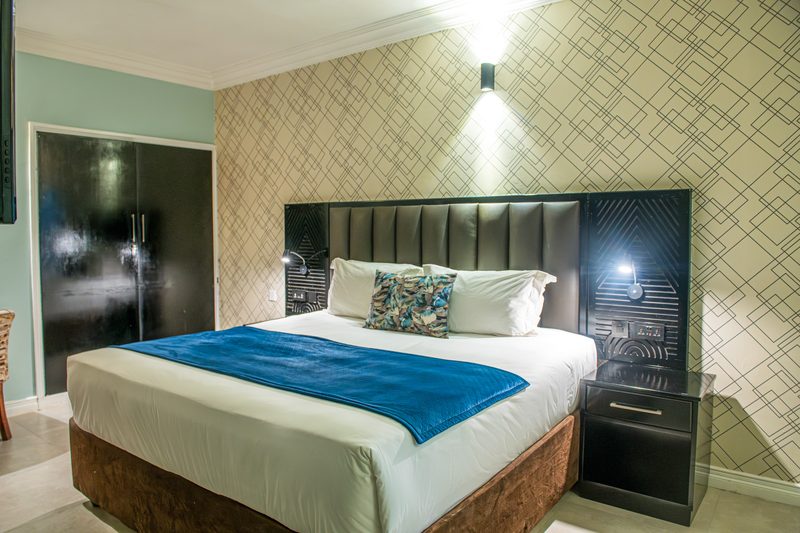
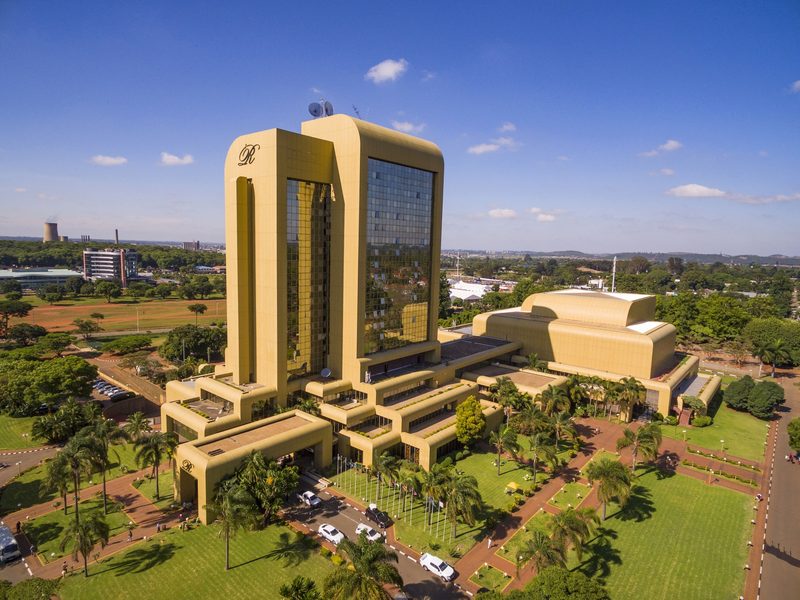
Hand-picked hotels across price tiers for December travellers.
Public Holidays in December
Dates that affect opening hours, transport and crowds
Unity Day
Observed nationwide as a public holiday.
Christmas Day
Observed nationwide as a public holiday.
Boxing Day
Known in English as St. Stephen's Day. Observed nationwide as a public holiday.
Unity Day
Observed nationwide as a public holiday.
Christmas Day
Observed nationwide as a public holiday.
Boxing Day
Known in English as St. Stephen's Day. Observed nationwide as a public holiday.
Unity Day
Observed nationwide as a public holiday.
Christmas Day
Observed nationwide as a public holiday.
Boxing Day
Known in English as St. Stephen's Day. Observed nationwide as a public holiday.
Packing Checklist
Bookmark this page — your progress is saved between visits
Need the full list with shopping links?
Climate-specific gear, brand recommendations, and what to leave at home.
View Harare Packing List →Essential Tips
Insider knowledge and common pitfalls to avoid
Insider Knowledge
Harare currently runs on two currencies. US dollars and the Zimbabwe Gold (ZiG). Understanding the distinction will save you real headaches. Pay in USD wherever you can. Do this for accommodation, transport, and sit-down meals. The ZiG exchange rate can shift noticeably between checking it and spending it. Carry a mix of small USD notes. Vendors at Mbare Musika and roadside fruit sellers often cannot break anything above a twenty. The negotiation that follows is more awkward than it needs to be.
The storm pattern in December is remarkably predictable once you learn to read it. Mornings tend to be clear and warm. Cumulus clouds start stacking around noon. The first thunder typically rolls between two and four in the afternoon. Structure every day around this rhythm. Outdoor plans before lunch. Galleries or downtime after. Locals take it for granted. First-time visitors who schedule a full outdoor afternoon learn the hard way. The rain is not a light drizzle. It is a wall of water accompanied by lightning that lights up the entire highveld.
Mbare Musika is the largest and most local market in the city. It can be overwhelming on a first visit. Enter from the main bus terminus side. Follow the flow of foot traffic. The layout has its own logic once you stop fighting it. Saturday mornings offer the widest spread of seasonal produce. Pyramids of mangoes. Lychees in red clusters. Avocados. Leafy greens piled on tarps. The noise is part of the experience. Vendors calling prices over each other. Kombis honking. Music from competing portable speakers. The sharp crack-and-hiss of roasting maputi. That charred-sweet smell of dry-roasted maize sticks to your clothes for hours afterward.
Safety in Harare is manageable. Apply the same common sense you would in any large African capital. The Avondale and Borrowdale neighbourhoods have the highest concentration of restaurants and bars that stay open late. This is where most of the festive-season nightlife concentrates. The atmosphere in December is lively. Outdoor tables full. Music drifting between venues. The central business district empties after office hours. It is best avoided on foot after dark. Use a trusted ride-hail app or hotel-arranged transport at night. Keep valuables out of sight in crowded areas. You will likely have zero issues.
Avoid These Mistakes
Planning a full day outdoors without accounting for the afternoon storm pattern. By three in the afternoon you may be sheltering under a shop awning. Watching water sheet off the roof and pool in the gutters. Your afternoon game drive or kopje hike evaporating. Along with any illusion that you can outrun a highveld thunderstorm. Front-load every outdoor activity to the morning. Treat the afternoon as flex time.
Assuming Harare's altitude means weaker sun. The opposite is true. At 1,483 m (4,865 ft), UV penetration is significantly stronger than at sea level. Cloud breaks between storms and reflected glare off wet surfaces mean sunburn sneaks up on people who felt fine at noon. Apply sunscreen even on grey mornings. Reapply after sweating through the humid midday hours.
Arriving without any USD cash and expecting to pay by card everywhere. Contactless and chip payments work at shopping centres and larger restaurants. A significant slice of daily Harare life operates on cash. Markets. Local food stalls. Kombi minibuses. Smaller shops. ATMs dispense ZiG rather than dollars. Bring a supply of US dollars in small denominations from home. Or exchange at a bank on arrival.
Ready to plan your trip to Harare?
Now that you've got the research covered, here's where to go next.
Explore More Activities in Harare
Didn't see anything interesting yet?
Browse Viator's full catalog of tours, day trips, food experiences, and private guides in Harare.
See All Harare Tours on Viator